

TL;DR: Practical guide to managing pharmacy compliance anxiety. Learn why compliance stress affects pharmacists, recognise the symptoms, and implement strategies for peace of mind.
It is 3:14 AM. You are lying awake, staring at the ceiling, running through an endless mental checklist:
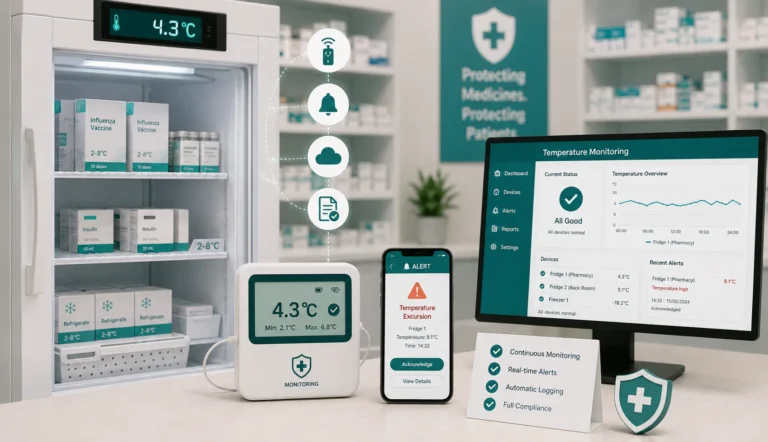
“Did I log the fridge temperature yesterday?”
“When does Sarah’s DBS expire?”
“Where did I put that training certificate?”
“What if the inspector asks about that policy?”
“Have I missed something critical?”
If this sounds familiar, you are not alone. Compliance anxiety affects pharmacy professionals across the sector, from newly qualified pharmacists to experienced managers and owners. The mental burden of tracking countless requirements, documents, and deadlines creates chronic stress that spills into personal time and affects wellbeing.
Understanding Compliance Anxiety
Why Pharmacy Creates Unique Stress
Regulatory intensity: Few professions face the same depth of regulation. GPhC standards, CQC requirements, NHS contract obligations, GDPR, controlled drugs legislation—the regulatory framework is vast and complex.
High stakes: Compliance failures have serious consequences. Professional registration at risk. Financial penalties. Reputational damage. And underlying everything, the potential for patient harm.
Personal responsibility: Pharmacists often feel personally responsible for overall compliance, even when systems and resources are inadequate.
Volume overwhelm: The sheer number of documents, deadlines, and requirements exceeds human cognitive capacity to track reliably.
Inspection unpredictability: Not knowing when inspection will occur means feeling permanently on alert.
The Anxiety Cycle
Compliance anxiety typically follows a pattern: Trigger leads to catastrophising, then rumination, physical symptoms, avoidance, increased risk, and more anxiety. Breaking this cycle requires addressing both the practical compliance challenges and the anxiety response itself.
Recognising Compliance Anxiety Symptoms
Mental Symptoms
Constant worry about regulatory requirements, difficulty concentrating due to compliance concerns, racing thoughts about what might be missed, imagining inspection scenarios and negative outcomes, feeling overwhelmed by administrative requirements.
Physical Symptoms
Sleep disruption, muscle tension particularly neck and shoulders, headaches related to stress, fatigue despite adequate rest, appetite changes, increased heart rate when compliance topics arise.
Behavioural Symptoms
Working excessive hours on compliance tasks, checking and rechecking documentation, difficulty delegating compliance responsibilities, avoiding compliance tasks altogether, bringing work home physically or mentally.
Practical Strategies for Reducing Compliance Anxiety
Strategy 1: Systematic Organisation
Anxiety thrives on uncertainty. When you do not know your compliance status, your mind fills the gap with worry. Create a single, trusted source for all compliance information. Maintain current, accurate records of all documentation status. Know exactly what is compliant, what is approaching deadline, and what needs attention.
Strategy 2: Proactive Alerting
Much compliance anxiety stems from fear of missing deadlines. Set alerts for 90, 60, 30, and 7 days before any expiry. Use multiple alert channels. Ensure alerts go to the person responsible for action.
Strategy 3: Defined Responsibilities
When everyone is responsible for compliance, no one is responsible. Assign clear ownership for each compliance area. Document who is responsible for what. Ensure every responsibility has a backup.
Strategy 4: Regular Review Rhythm
Daily: Quick status check and immediate issues. Weekly: Outstanding actions and approaching deadlines. Monthly: Comprehensive review and forward planning. Quarterly: Deep audit and system improvement.
Strategy 5: Inspection Preparation as Normal State
Operate at inspection-preparation standard continuously. Maintain evidence files that could be produced immediately. View inspections as demonstrations rather than tests.
Addressing the Emotional Component
Accept Imperfection: No compliance system is perfect. Aiming for 100% perfection 100% of the time creates unsustainable pressure.
Recognise What You Control: You control your systems, processes, and responses. You do not control inspector behaviour, regulatory changes, or staff decisions.
Reframe Compliance Purpose: Compliance is not bureaucratic burden—it is patient protection.
Seek Support: Talk to colleagues, professional networks, mental health professionals if anxiety is significant.
Set Boundaries: Define working hours and stick to them. Resist checking compliance status during personal time.
Technology as Anxiety Reduction
The right technology directly addresses many anxiety triggers. Fear of missing deadlines becomes automated expiry tracking and alerts. Uncertainty about status becomes real-time compliance toolss. Overwhelm from volume becomes systematic categorisation and prioritisation. Inspection dread becomes one-click evidence generation.
Find Peace of Mind
Compliance anxiety is common but not inevitable. With the right systems, processes, and mindset, you can achieve confidence in your compliance status and reclaim mental energy for patient care and personal wellbeing.
RxSure is designed to reduce compliance anxiety. Our platform provides the visibility, automation, and organisation that allows pharmacy professionals to know—not just hope—that compliance is under control.
Start your free trial and find compliance peace of mind.
About this article: This article was prepared by the RxSure editorial team and is informed by publicly available UK healthcare guidance. Source references include GPhC, NICE, and BNF where cited. Content is reviewed periodically to reflect current information. This article is for general informational purposes and should not be relied upon as professional, medical, or regulatory advice. Last updated: 4 July 2026.