

Pharmacy GDPR Compliance 2026 Update
GDPR compliance remains one of the most important regulatory obligations for UK pharmacies in 2026. The UK General Data Protection Regulation (UK GDPR), retained after…

GDPR compliance remains one of the most important regulatory obligations for UK pharmacies in 2026. The UK General Data Protection Regulation (UK GDPR), retained after Brexit and enforced by the Information Commissioner’s Office (ICO), sets strict rules for how pharmacies collect, store, process, and share patient data, particularly the sensitive health data generated through private prescribing services.
This guide provides a 2026 update on pharmacy GDPR requirements, what has changed, and how digital systems help you stay documented.
Why GDPR Matters More Than Ever for Pharmacies
Data security and GDPR compliance are critical requirements for any healthcare organisation handling patient information in the United Kingdom, with the Information Commissioner’s Office having the authority to impose significant fines for breaches of data protection legislation. Pharmacies and clinics providing private prescribing services process special category data under UK GDPR, meaning health data that requires additional safeguards including explicit patient consent or a legitimate medical treatment basis for processing, appropriate technical security measures such as encryption at rest and in transit, access controls ensuring that only authorised personnel can view patient records, data minimisation practices that limit collection to clinically necessary information, and documented data processing agreements with any third-party systems that handle patient data. Digital prescribing platforms should provide AES-256 encryption for stored data, TLS encryption for data in transit, role-based access controls with audit logging, and UK-based data hosting to ensure that patient information does not leave the jurisdiction. Regular data protection impact assessments should be conducted when introducing new services or technologies.
Pharmacies handle some of the most sensitive personal data in existence: medical histories, prescribing records, consultation notes, and payment information. As private services expand, the volume and sensitivity of data pharmacies process has increased significantly.
The Consequences of Non-Compliance
- ICO fines, up to £17.5 million or 4% of annual turnover for serious breaches
- GPhC action, data protection failures can result in fitness-to-practise proceedings
- Patient trust, a data breach can permanently damage your pharmacy’s reputation
- Operational disruption, ICO investigations are time-consuming and stressful
Key GDPR Principles for Pharmacies
Record retention requirements for private prescriptions and clinical consultations are governed by multiple regulatory frameworks including the NHS Records Management Code of Practice, GPhC record-keeping standards, and UK GDPR principles on data minimisation and storage limitation. Private prescription records must be retained for a minimum of two years from the date of dispensing under the Medicines Act, though best practice and professional indemnity considerations typically recommend retention for at least eight years for adult patients and until the patient reaches age twenty-five or for eight years after the last entry, whichever is longer, for records involving children. Clinical consultation records should be retained for at least ten years in line with NHS guidance. Digital platforms provide significant advantages for record management because they automate retention period tracking, prevent premature deletion of records still within their retention period, enable secure deletion of records that have exceeded their retention requirement, and maintain searchable archives that can be accessed quickly in response to subject access requests, clinical queries, or regulatory investigations.
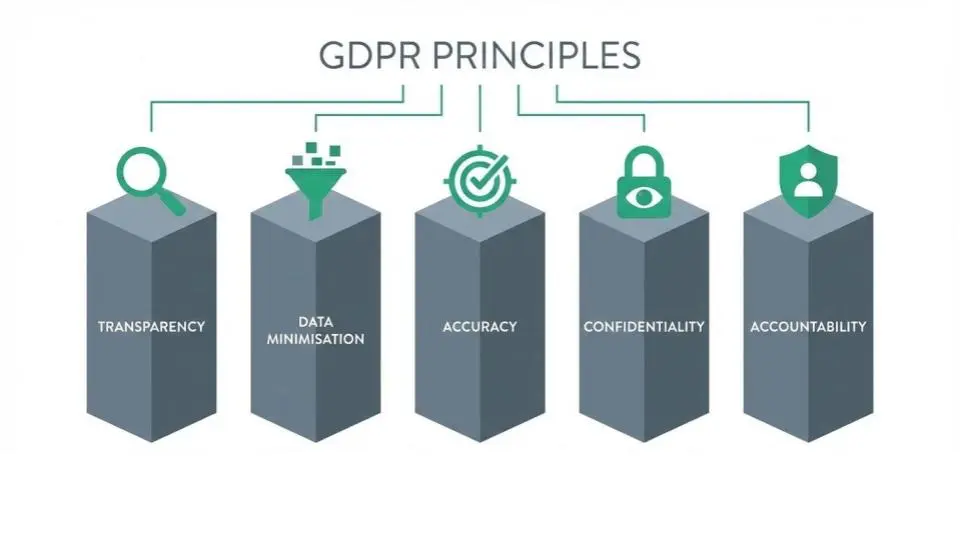
1. Lawfulness, Fairness, and Transparency
You must have a lawful basis for processing patient data. For pharmacy services, this is typically:
- Provision of healthcare (Article 9(2)(h)), processing necessary for health purposes
- Legitimate interests, for administrative functions like appointment reminders
- Consent, for marketing communications and optional data sharing
Patients must be informed about how their data is used through a clear, accessible privacy notice.
2. Purpose Limitation
Data collected for private consultations must not be used for unrelated purposes without additional consent. If you collect a patient’s email for appointment confirmations, you cannot automatically add them to a marketing list.
3. Data Minimisation
Only collect data that is necessary for the service being provided. Consultation templates should capture clinically relevant information without asking for unnecessary personal details.
4. Accuracy
Patient records must be kept accurate and up to date. Provide patients with easy mechanisms to review and correct their data. Digital systems make this significantly easier than paper records.
5. Storage Limitation
Do not retain patient data longer than necessary. For pharmacy records, typical retention periods are:
- Private prescription records, minimum 2 years (GPhC guidance), recommended 8 years for liability protection
- Consultation records, 8 years (10 years for children)
- Financial records, 6 years (HMRC requirement)
- Marketing consent records, retain for as long as consent is active, plus 1 year
6. Integrity and Confidentiality
Patient data must be protected against unauthorised access, loss, or damage. This is where technology plays a critical role, encryption, access controls, and secure backup are essential.
7. Accountability
You must be able to demonstrate compliance. This means maintaining records of processing activities, data protection impact assessments, and evidence of staff training.
2026 GDPR Updates and Developments
ICO Enforcement Trends
The ICO has increased its focus on healthcare data breaches in 2025-2026, with particular attention to:
- Pharmacies sharing patient data without proper safeguards
- Inadequate access controls on digital health records
- Failure to report data breaches within the 72-hour window
- Insufficient staff training on data protection
Data Protection and Digital Information Bill
The UK government has introduced reforms to the data protection framework. Key changes pharmacies should be aware of:
- Simpler Subject Access Request (SAR) processes
- Updated rules on international data transfers
- Enhanced cookie and consent requirements for pharmacy websites
- Clarified requirements for data protection officers
Increased Patient Awareness
Patients are more aware of their data rights than ever. Subject Access Requests (SARs) are increasing, and patients expect pharmacies to handle their data as carefully as banks handle their finances.
GDPR Compliance Checklist for Pharmacies
Documentation
- Privacy notice displayed in pharmacy and on website
- Record of Processing Activities (ROPA), document all data processing
- Data Protection Impact Assessment (DPIA) for private services
- Data sharing agreements with any third parties
- Data breach response plan
- Staff training records
Technical Measures
- Encrypted data storage (at rest and in transit)
- Role-based access controls, staff only access data they need
- Automatic session timeouts on consultation systems
- Secure backup procedures (offsite or cloud)
- Audit logs showing who accessed what data and when
- Secure disposal of paper records (cross-cut shredding)
Organisational Measures
- Annual GDPR training for all staff (documented)
- Designated Data Protection Lead (or DPO if required)
- Clear desk policy for consultation rooms
- Procedure for handling Subject Access Requests (within 1 month)
- Data breach reporting procedure (72-hour notification to ICO)
- Regular reviews of data retention and deletion
How Software Supports GDPR Compliance
Digital pharmacy platforms like RxSure are designed with GDPR compliance built in:
- Encrypted data storage, patient data encrypted at rest and in transit
- Access controls, role-based permissions ensure staff only see data relevant to their role
- Audit trails, automatic logs of every data access and modification
- Consent management, record and track patient consent for different data uses
- Data portability, export patient data in standard formats for SARs
- Retention management, automated flagging of records approaching retention limits
- Secure deletion, proper data deletion when retention periods expire
- Breach detection, monitoring for unusual access patterns
Paper-based systems make GDPR compliance extremely difficult. You cannot easily audit who accessed a paper file, you cannot encrypt a filing cabinet, and you cannot automatically flag records for deletion after 8 years.

Common GDPR Mistakes in Pharmacies
- No privacy notice, every patient should know how their data is used before the consultation
- Sharing data without safeguards, emailing patient data without encryption, or sharing with third parties without agreements
- Ignoring SARs, you must respond within one calendar month
- No breach plan, when a breach occurs, you have 72 hours to notify the ICO; without a plan, this deadline is easily missed
- Outdated training, annual refresher training is the minimum; new staff need training before accessing patient data
- Relying on paper, paper records are inherently less secure and harder to manage compliantly at scale
References
- General Pharmaceutical Council. Standards for Pharmacy Professionals. GPhC, 2024.
- National Institute for Health and Care Excellence. NICE Guidelines. NICE, 2024.
- British National Formulary. BNF Online. NICE, 2024.
- Information Commissioner’s Office. Guide to UK GDPR. ICO, 2024.
Key Takeaways
- UK GDPR applies to all patient data processed by pharmacies, with significant penalties for non-compliance
- Private prescribing services increase the volume and sensitivity of data you process
- Document everything: privacy notices, processing records, DPIAs, training, and breach plans
- Technical measures (encryption, access controls, audit trails) are essential, paper systems cannot meet these requirements
- Stay current with ICO enforcement trends and legislative updates
- RxSure provides GDPR-compliant infrastructure with encryption, audit trails, and access controls built in from the platform level
Need a GDPR-compliant platform for your private services? Start your free 1-month RxSure trial, data protection built in, not bolted on.